

Water Damage in Different Climates: How Wilmington’s Weather Impacts Risk & Repair Needs
When it comes to protecting your property against water damage, the first step to consider is how the climate affects water damage. The climate in Wilmington presents a distinct set of challenges due to the area’s geographical location (coastal) and the weather patterns associated with coastal regions.
Commonly occurring in Wilmington are tropical storms, thunderstorms, rain events, high humidity levels throughout the year, and extremely corrosive salt from the ocean. All of these weather factors increase the chances of water-related issues in Wilmington, and, as such, many people search for water damage restoration in Wilmington or water damage restoration near me when faced with a sudden water-related problem.
In this blog, you will learn about the direct relationship between Wilmington’s climate and risks for water-related damage, how water interacts with different weather patterns, and why localized strategies will provide the best protection against damage to your property over time.
The Influence of Wilmington’s Climate on Water Damage
The climate in Wilmington is a humid, subtropical climate with hot, humid summers and very mild winters, plus high amounts of rain throughout the year. This creates continuous stress on homes/buildings by providing constant moisture daily.
As the humidity content in the air increases, it exponentially increases the amount of moisture that can penetrate materials. However, with added exposure to frequent storm systems, it provides many opportunities for roofs to leak, flooding of basement areas, or saturated structural members. Because of this reason, there are constant calls to water damage Wilmington daily throughout the entire year.
The more moisture present in the atmosphere, the greater the chances of several small problems growing into an expensive repair. In general, the following should be noted about hurricanes/tropical storms and rainfall events that threaten Wilmington, NC, which is located on the southeastern portion of NC along the Atlantic Ocean:
In an extreme rainfall event, inhabitants of Wilmington may experience the following negative effects:
- Heavy rain
- Storm surge
- Wind-driven flooding (water from the sea)
- Flooding in the low-lying areas of their community
All of this water has a high force and will enter homes by wind-driven flooding through roofs, siding, openings, windows/doors, garages, and crawl spaces. Water that is created by storms will saturate building materials quickly and result in more rot, mold, and/or structure shifting on foundations. If you have experienced a storm, you may find yourself looking up Water Damage Restoration Wilmington as soon as you return home.
Additionally, there are ongoing threats from high humidity and mold growth that are a part of the Wilmington environment:
Wilmington Water Damage Prevention Based on Climate Factors
While it is impossible to change the weather, there are ways to reduce the impacts of water damage on your property:
- Prepare Your Home for Storm Season – Inspecting your roof, gutter systems, flashing, crawl spaces, and yard drainage systems will prevent unnecessary intrusion of storm-related water into your home.
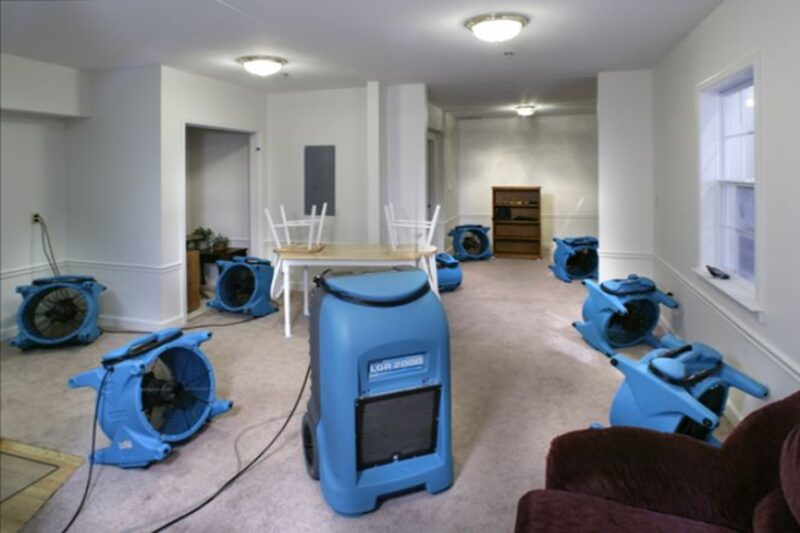
- Manage Indoor Humidity – Using dehumidifiers, increasing circulation of air, and eliminating drafts will help manage indoor humidity levels.
- Use Moisture-Resistant Materials – Coastal-grade materials such as treated lumber and mold-resistant drywall will perform better in Wilmington’s rainy climate than non-resilient materials.
- Protect Crawl Spaces – Crawl space encapsulation, sump pumps, and dehumidification systems provide critical protection in flood-prone areas.
Implementing each of these recommendations will reduce the severity and frequency of restoration emergencies.
The Importance of Using a Restoration Company with Local Experience
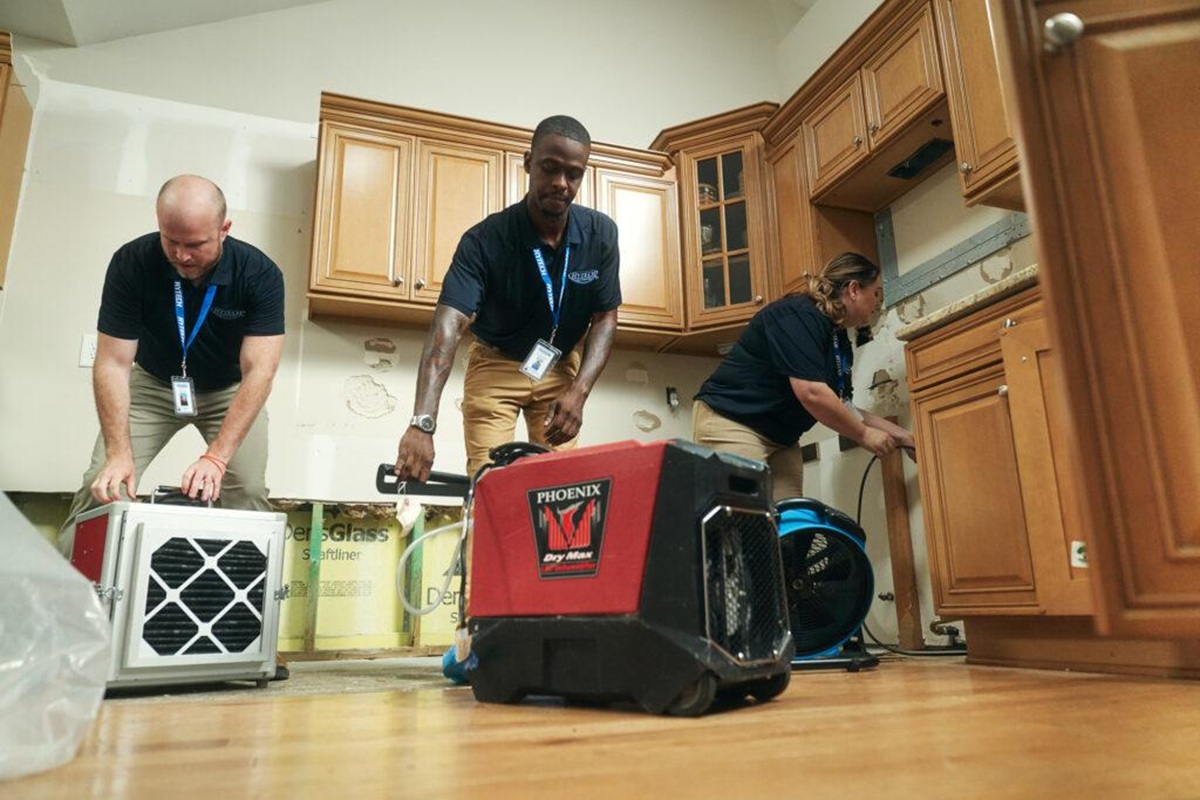
The nature of how water damage will manifest as a result of the local climate is so unique to Wilmington that the restoration company must have local experience in order to provide the highest quality services.
Companies providing Water Damage Restoration in Wilmington, North Carolina, have a number of elements they take into consideration when assessing their ability to restore properties:
- The type of storms that affect the area
- The areas that are most likely to flood during a storm
- Risks to structures from moisture due to humidity
- The types of molds that grow along the coastline of the state
- How salt damages materials
These variables allow water damage restoration companies to respond quickly with quality repairs that will last over time.
Summary: Rely On Experts to Prevent Water Damage Risks
Wilmington’s weather, hurricanes, rainfall, and high-humidity-prone environment result in a high likelihood of water damage occurring at some point in time and a greater chance of severe issues from that damage than in many other areas of the country. By being informed about the risks associated with the area’s weather, homeowners can prepare and take action quickly to implement solutions that will prevent some of the greater costs of water damage from occurring.
For those recovering from a flood due to a storm or dealing with humidity-related water problems inside their homes, companies that offer Water Damage Restoration in Wilmington are the best option for properly restoring homes to their original condition and providing reliable and long-lasting services.
911 Restoration of Wilmington is a company committed to providing the highest quality of restoration services available in the Wilmington area. Our goal is to provide fast service at an affordable price, with a focus on eliminating the need for the homeowner to make repairs themselves.
With our “Fresh Start” philosophy, you can rest easy knowing that you are working with one of Wilmington’s most trusted companies to restore your property.
Frequently Asked Questions
What makes Wilmington more prone to water damage than other cities?
Because Wilmington is located on the coast, has a high level of humidity year-round, and receives a significant amount of rain throughout the year, it is much more susceptible to water damage than many other inland cities.
What is the time frame for mold growth in Wilmington’s climate?
Mold can begin growing in Wilmington between 24 to 48 hours after being exposed to humid and warm temperatures.
Is it necessary to hire a professional for small water leaks?
If a homeowner tries to dry up a small amount of water on their own, it is typical for that person to miss water that may still be present behind walls or under floors. If this happens, moisture behind the walls or floor will lead to mold and structural damage.
Is it possible for hurricane flooding to be covered by insurance?
When wind-driven rain damages property, homeowners typically have a good chance of obtaining coverage through their insurance carrier. However, flooding caused by hurricane flooding typically requires flood coverage.
How do I select the best company for Water Damage Restoration Near Me?
Homeowners should look for certified technicians, technicians who provide 24/7 service, quick response to calls, and technicians with significant experience within the Wilmington community.
